The Challenge
In December 2025, a 50-year-old German woman arrived at the emergency department of Shanghai United Family Hospital (Changning) with three days of back pain, nausea, vomiting, and watery diarrhea. Her random blood glucose had soared to 25.6 mmol/L — diabetic ketosis, an urgent danger signal in a patient with three years of poorly controlled type-1 diabetes.
While the team stabilized her with fluids, insulin, and correction of her acidosis, a contrast CT ordered to investigate the back pain revealed something unexpected: a small nodule in the lower right kidney. MRI sized it at roughly 8 × 9 millimeters and flagged it as a highly suspicious small renal cancer — a "silent" early tumor that almost never produces symptoms.
Three Hurdles
A multidisciplinary review across urology, endocrinology, anesthesia, and imaging recommended a Da Vinci robot-assisted, nephron-sparing operation — but the case carried three risks. Her long-standing diabetes had made the kidney tissue fragile and far less tolerant of any interruption in blood supply. The sub-centimeter tumor was buried beneath thick abdominal fat, making it extremely hard to find. And "fat saponification" had fused the fat around the kidney to its capsule, so that any careless dissection could tear the capsule and bleed into the kidney itself.
The Procedure
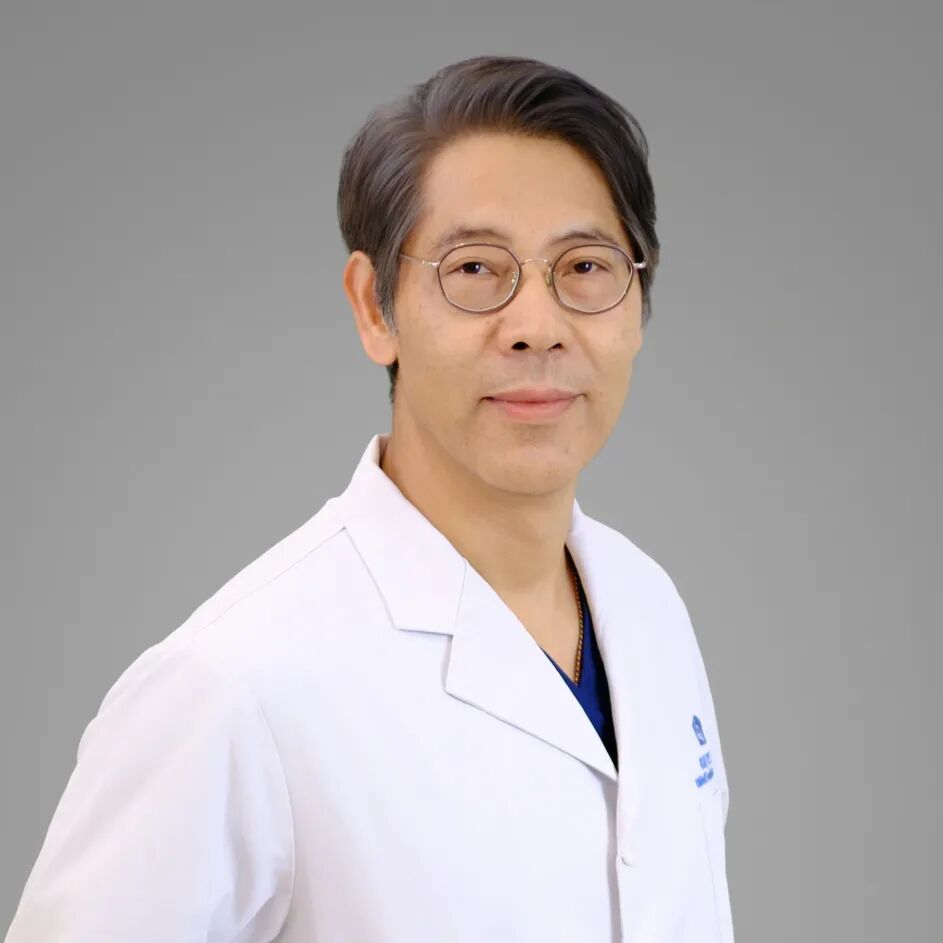
At the robotic console, Prof. Liu Dongming led the operation with Dr. Zhou Lan assisting, working through a 5–20× magnified 3D view. After painstakingly clearing the saponified fat, the team located the tumor — sitting in the mid-portion of the right kidney with only about 30% protruding from the surface — then clamped the renal artery, removed the tumor whole, sutured the bed, and restored blood flow.
The entire warm-ischemia time was just 5 minutes — far inside the usual 30-minute standard. "For a diabetic kidney, we kept the clamp time as short as possible," Prof. Liu explained. "Even one minute less is precious protection for her future kidney function."
The Outcome
The patient recovered smoothly. Her kidney function held, and a multidisciplinary team — urology, endocrinology, nursing, and nutrition — continued to watch over her recovery. Because kidney tumors can recur or spread, she left with a lifelong surveillance plan: kidney and liver ultrasound every three months, a lung CT every six, and continuous monitoring of her blood glucose and renal function.