
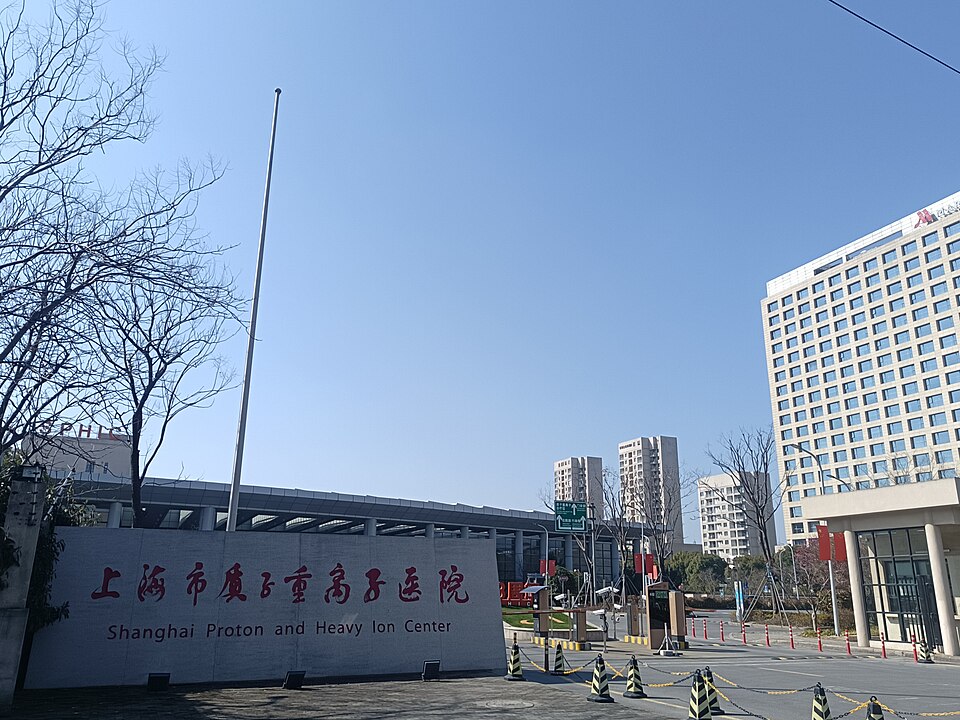
Shanghai Proton & Heavy Ion Center
上海市质子重离子医院
Pudong New Area, Shanghai
2015
Founded
220
Beds
About the Hospital
Shanghai Proton and Heavy Ion Center (SPHIC), which began treating patients in May 2015 and is operated jointly by Fudan University Cancer Center and the Institute of Modern Physics, is China's first and Asia's largest dedicated proton and carbon ion therapy facility, having treated nearly 8,900 patients through early 2026.
SPHIC is one of only a small number of centers worldwide equipped with both proton pencil beam scanning and a carbon-ion system — technology based on the German HIT facility — enabling carbon ion beams that are biologically up to three times more effective than conventional X-ray radiation against resistant tumors.
The center has demonstrated particularly strong outcomes for radio-resistant malignancies including chordoma, chondrosarcoma, and hepatocellular carcinoma, and is the national designated demonstration base for particle therapy in China. SPHIC's ability to combine proton and carbon-ion beams within a single treatment course — unique among Chinese hospitals — allows oncologists to tailor treatment to the radiobiological characteristics of individual tumor regions.
Highlight Specialties
Proton Therapy
National Clinical Key SpecialtyCarbon Ion (Heavy Ion) Therapy
National Clinical Key SpecialtySkull Base & Head–Neck Tumors
Provincial/Municipal Clinical Key SpecialtyNotable Achievements
- China's first operational proton and heavy ion therapy center; first in Asia to treat patients with carbon ion beams (2015).
- Treated over 3,000 patients with particle therapy; published China's first large-cohort outcomes data for liver cancer carbon ion therapy.
- Houses China's first synchrotron specifically designed for clinical heavy-ion cancer treatment, based on German HIT technology.
Featured Technology & Equipment
Siemens IONTRIS Carbon-Ion (Heavy Ion) Therapy System
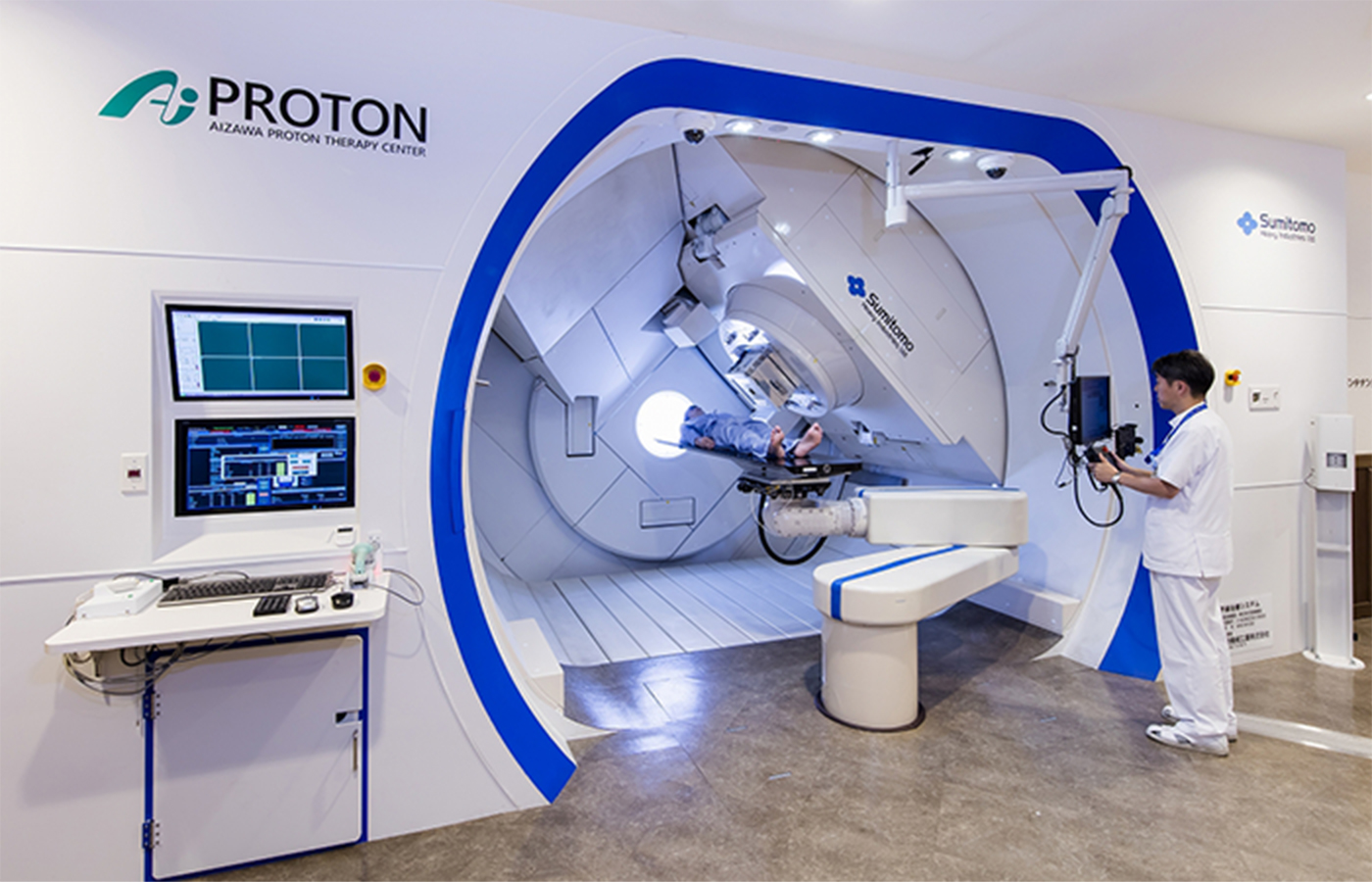
Siemens IONTRIS Carbon-Ion (Heavy Ion) Therapy System
One of only a handful of facilities worldwide with a dedicated carbon-ion beam, SPHIC can destroy radio-resistant tumors — including chordoma, head-and-neck cancers, and hepatocellular carcinoma — with biological effectiveness up to three times greater than conventional X-ray radiation.
Proton Pencil Beam Scanning (PBS) Therapy
.webp)
Proton Pencil Beam Scanning (PBS) Therapy
Proton beams deposit the majority of their energy precisely at the tumor's depth via the Bragg peak, delivering zero exit dose to surrounding healthy tissue — the standard of care for pediatric tumors, skull-base cancers, and tumors adjacent to critical structures.
RayStation Biologically Optimized Treatment Planning

RayStation Biologically Optimized Treatment Planning
Applies local effect model and microdosimetric-kinetic model algorithms to optimize the radiobiological dose distribution for carbon-ion plans, maximizing tumor cell kill while minimizing normal-tissue toxicity.
Plan Your Visit
Nearby Hotels
Sheraton Shanghai Jiading Hotel
$108–$180/night
Courtyard by Marriott Shanghai Jiading
$80–$140/night
Lake Malaren International Convention Centre Hotel
$70–$110/night
Halal Dining
Muslim Jincheng Miandian (穆斯林金城面店)
Nearby Mosques
Jiading Mosque (嘉定清真寺)
7 km from hospital
Transport
4365 Kangxin Road, Pudong New Area, Shanghai
Nearest Metro: Kangxin Highway Station (Line 11), ~1.5 km from hospital gate
The hospital is in a suburban part of Jiading. Halal dining is very limited within walking distance — families should plan ahead or book serviced apartments with kitchens. The Sheraton Jiading (Line 11 accessible) is the most practical full-service base. No confirmed mosque within 5 km; nearest is in Jiading Old Town (~7 km).
Request a case review at Shanghai Proton & Heavy Ion Center
Our team will match your condition with the right specialist at this facility.
Request Case Review