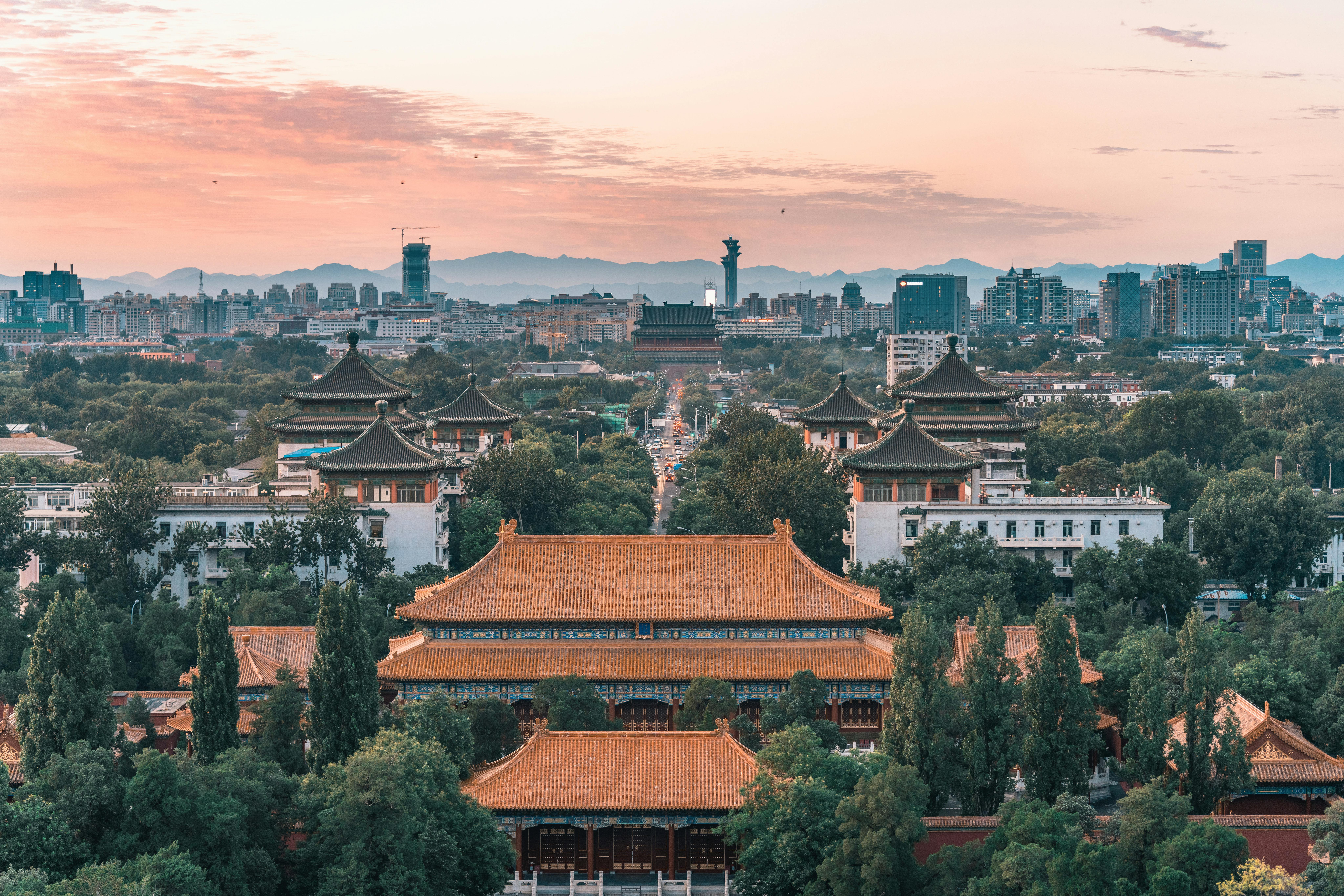
China-Japan Friendship Hospital
中日友好医院
Chaoyang District, Beijing
1984
Founded
1,610
Beds
About the Hospital
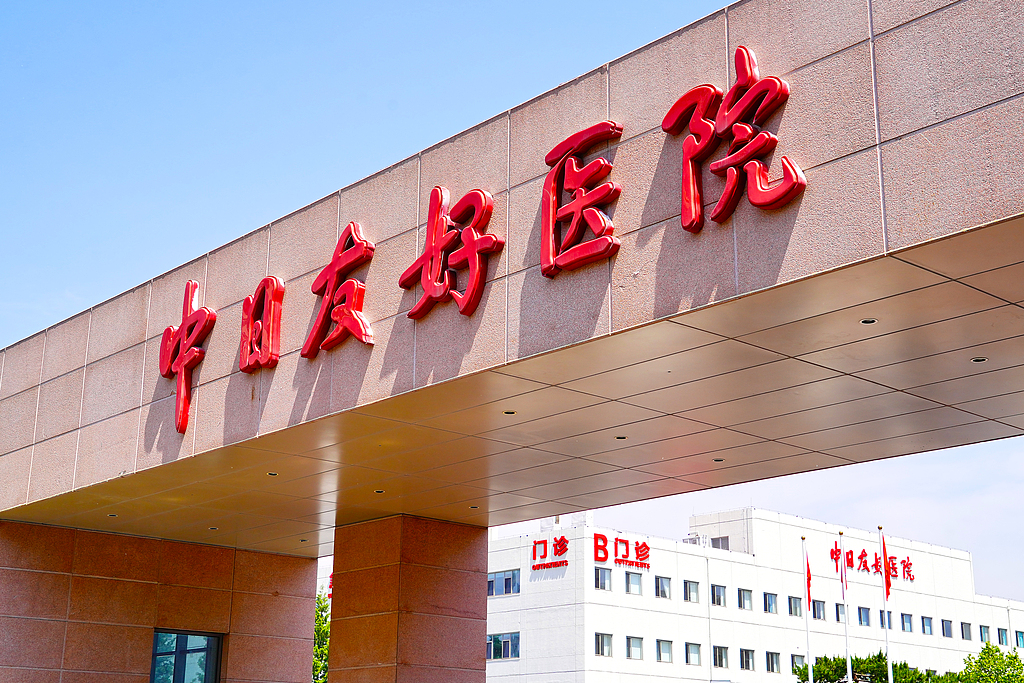
China-Japan Friendship Hospital (中日友好医院), founded in 1984 and directly administered by the National Health Commission, is one of Beijing's most nationally designated comprehensive hospitals. Built with Japanese government grant aid as China's first large-scale foreign grant-funded hospital and a lasting symbol of Sino-Japanese diplomatic cooperation, it maintains an International Department with dedicated English and Japanese services for patients from over 100 countries.
The hospital is the national home of respiratory medicine: it houses both the National Respiratory Medical Center and the National Clinical Research Center for Respiratory Diseases under CAE Academician Wang Chen, whose team's landmark Lancet and NEJM publications on H7N9, severe COVID-19, and long-term COVID prognosis have shaped WHO and NIH clinical guidelines. During COVID-19, Wang Chen led China's initial Wuhan expert mission and invented the 'cabin shelter hospital' model that treated over 12,000 patients.
The hospital also ranks #1 nationally in pain medicine (Fudan 2022), top-10 in rheumatology for 12 consecutive years, and holds 19 national clinical key specialties. One of China's 12 National Integrated Chinese-Western Medicine Centers, it runs combined TCM-Western departments under CAS Academician Tong Xiaolin — whose diabetes and COVID-19 protocols are adopted in national guidelines — and operates the National Remote Medicine Center connecting 5,400+ partner hospitals nationwide.
Highlight Specialties
Respiratory & Critical Care Medicine
National Key DisciplineNational Ranking #2 (2022)Pain Management
National Clinical Key SpecialtyNational Ranking #1 (2022)Thoracic Surgery
National Clinical Key SpecialtyRheumatology & Immunology
National Clinical Key SpecialtyDermatology
National Clinical Key SpecialtyNotable Achievements
- Hosts the National Respiratory Medical Center and National Clinical Research Center for Respiratory Diseases — dual apex of China's respiratory medicine infrastructure; team publications in *The Lancet* and *NEJM* have shaped WHO and NIH clinical guidelines.
- Thoracic surgery program performs ~100 lung transplants annually — among China's highest single-center volumes; minimally invasive lung cancer surgery ranks #1 nationally with over 2,500 cases per year.
- #1 nationally in pain medicine (Fudan 2022); rheumatology top-10 nationally for over 12 consecutive years — among China's most diversely top-ranked specialty hospitals.
- Holds 1 national key discipline and 19 national clinical key specialties, one of the highest designation counts of any hospital in Beijing.
Featured Technology & Equipment
National Respiratory Medical Center — PCCM Program

National Respiratory Medical Center — PCCM Program
China's apex respiratory center houses the National Respiratory Medical Center and National Clinical Research Center for Respiratory Diseases under one roof. Led by CAE Academician Wang Chen, the department pioneered the integration of Pulmonary and Critical Care Medicine (PCCM) as a unified specialty — a model now adopted by 2,800+ hospitals nationwide — and operates advanced bronchoscopy suites, pulmonary function laboratories, and a respiratory ICU for the most complex ventilatory cases in China.
EBUS & Electromagnetic Navigation Bronchoscopy Suite
EBUS & Electromagnetic Navigation Bronchoscopy Suite
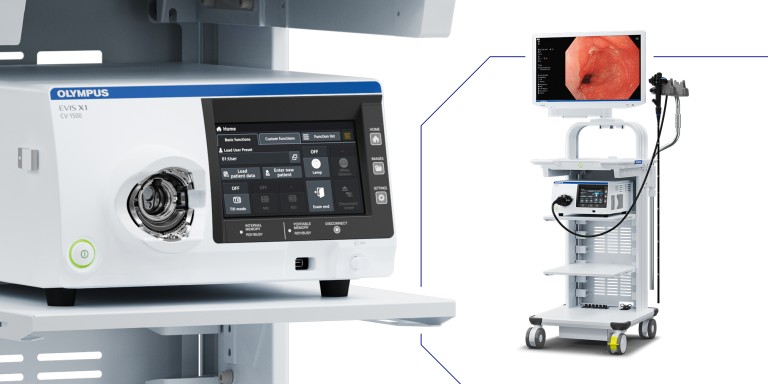
The thoracic and respiratory teams combine endobronchial ultrasound (EBUS) with electromagnetic navigation bronchoscopy (ENB) to biopsy peripheral pulmonary nodules and mediastinal lymph nodes without surgery. Fluorescence bronchoscopy further enables detection of early endobronchial malignancy invisible to white-light scopes — supporting precise staging and curative-intent resection planning for the hospital's 2,500+ annual lung cancer cases, the highest minimally invasive volume nationally.
Da Vinci Robotic Thoracic Surgery
Da Vinci Robotic Thoracic Surgery
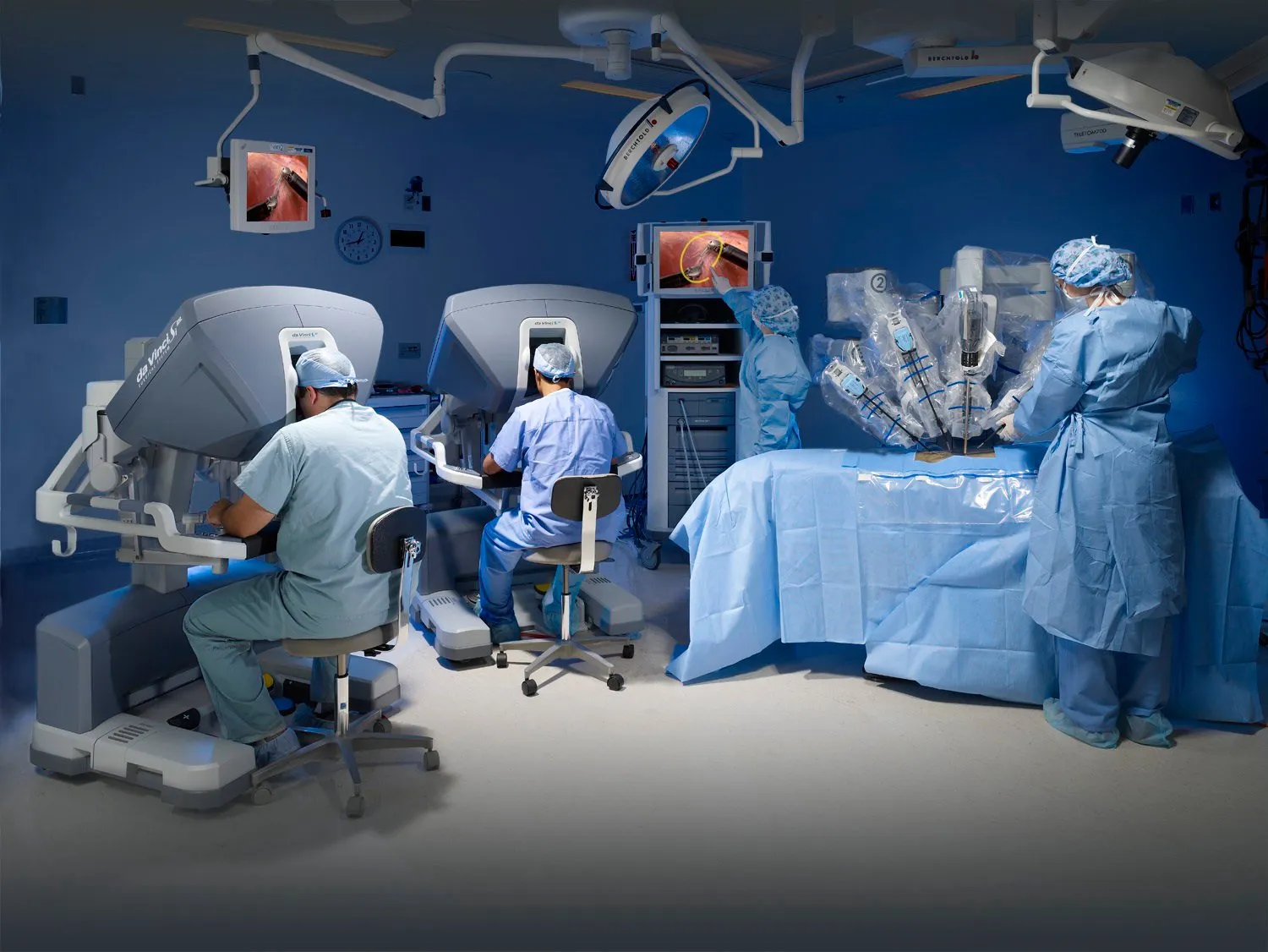
China-Japan Friendship Hospital's thoracic surgery team uses the da Vinci robotic system for complex pulmonary resections including sleeve lobectomies and anatomic segmentectomies for early-stage lung cancer. The robotic platform's wristed instruments and 3D magnification enable bronchoplastic reconstruction through tiny port incisions — reducing average hospital stay and accelerating functional recovery for the hospital's nationally highest-volume minimally invasive lung cancer program.
Plan Your Visit
Nearby Hotels
Beijing Guizhou Hotel
$85–$140/night
Atour Hotel Beijing Hepingli UIBE
$80–$130/night
Crowne Plaza Beijing Sun Palace
$90–$150/night
Kempinski Hotel Beijing Yansha Center
$113–$220/night
Halal Dining
Silk Road Impression Xinjiang Restaurant
Tumaris Xinjiang Style Restaurant
Hong Bin Lou (Chaoyangmen Branch)
Donglaishun (Wangfujing Branch)
Nearby Mosques
Nanxiaopo Mosque
4.5 km from hospital
Transport
No. 2 Yinghuayuan East Street, Chaoyang District, Beijing
Nearest Metro: Heping Xiqiao Station (Lines 5 & 12, 0.6 km) / Shaoyaoju Station (Lines 10 & 13, 1.0 km)
Beijing Guizhou Hotel and Atour Hepingli are the closest options for families needing daily hospital access. The Silk Road Impression Xinjiang branch at 1 km is the most convenient halal dining option; the Hepingli area also has smaller unlisted Muslim noodle shops. For Friday prayers, Nanxiaopo Mosque is 15 minutes by taxi near Chaoyangmen.
International Patient Services
Languages: English, Japanese
Request a case review at China-Japan Friendship Hospital
Our team will match your condition with the right specialist at this facility.
Request Case Review